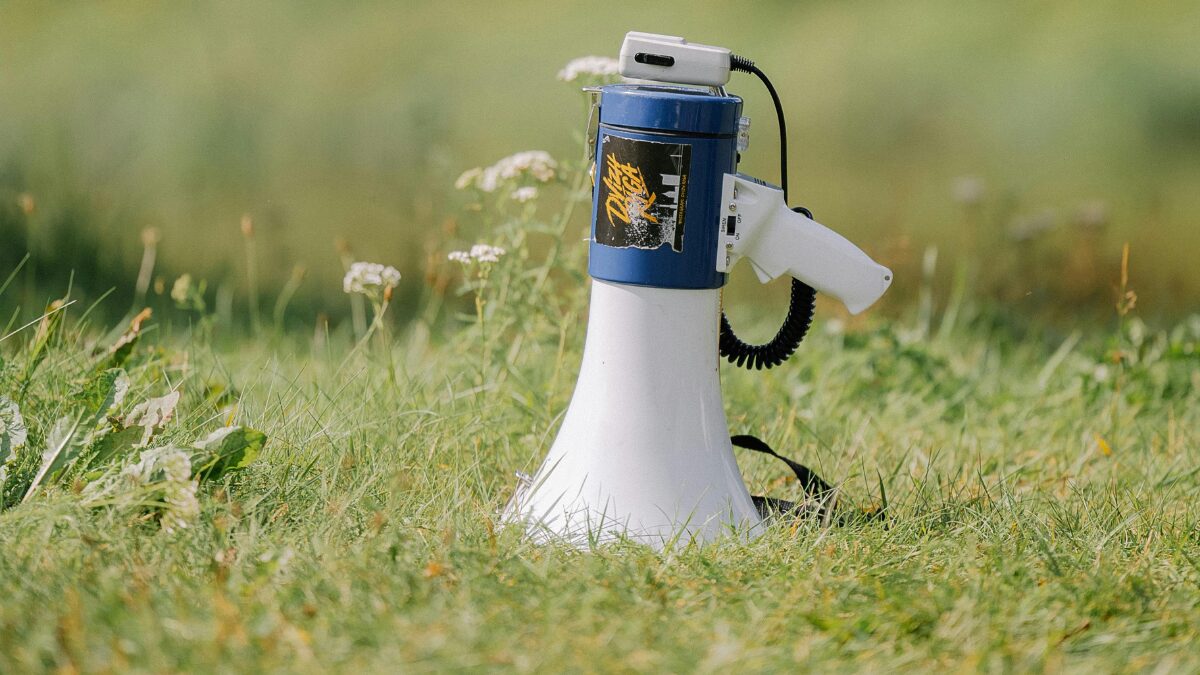
Simple Guide to Loud Budgeting

Modern | Dynamic | Honest
For years, “being good with money” was something you did quietly. A spreadsheet in the background. A transfer to savings that no one needed to know about. A vague “I can’t make it” when you didn’t want to spend.
Now there’s a new(ish) idea doing the rounds, particularly online, that turns that on its head: loud budgeting.
The name makes it sound like a performance. In reality, it’s much simpler (and a lot more useful) than that. Loud budgeting is just being honest about what you’re spending, what you’re not spending, and why. Not in a preachy way. Not with judgement. Just with clarity.
And in a world where everything costs more and social plans stack up quickly, that clarity can be a relief.
What is loud budgeting?
If you’ve searched “loud budgeting” and wondered whether it’s another trend you’ll forget about by next week, here’s the straightforward version:
Loud budgeting means saying out loud what you will and won’t spend money on, and connecting it to something you actually care about.
So instead of:
- “I’m busy that night”
- “I’ll see how I feel”
- “I’m trying to be good”
…you say what’s true:
- “Not this time — I’m focusing on paying down my credit card.”
- “I’m skipping that. I’m building up my emergency fund.”
- “I’m doing a lower-spend month because I want a bit more breathing space.”
It’s not about announcing your bank balance. It’s about making your priorities real, in the moments when it’s easiest to forget them.
Why it resonates (especially right now)
Most overspending isn’t caused by a lack of knowledge. People generally know the basics: save a bit, avoid expensive debt, plan ahead.
Where it unravels is in the real world:
- You’ve had a long week and the takeaway feels deserved.
- Everyone’s going to the gig and you don’t want to be the one who says no.
- A “quick drink” turns into dinner, then taxis, then “we should do this more often”.
This is where loud budgeting earns its keep. Because it directly tackles one of the biggest drivers of money stress: social pressure.
There’s a particular kind of anxiety that comes from feeling you have to keep up, not because anyone is forcing you, but because saying no feels awkward. Loud budgeting flips that dynamic.
It turns “I can’t” into “I’m choosing”.
And that shift matters more than people realise.
 “I’m saving” shouldn’t feel embarrassing
 “I’m saving” shouldn’t feel embarrassing
A lot of people still feel they need to apologise for being sensible with money. You can almost hear it in the wording:
- “I’m being boring.”
- “I’m being tight.”
- “I probably shouldn’t, but…”
But saving isn’t a personality flaw. Wanting to feel secure isn’t “stingy”. Deciding you’d rather have options later than another round right now is… completely reasonable.
Loud budgeting gives you permission to say it plainly.
And if you’ve ever felt the guilt of cancelling plans because you overspent the week before, you’ll understand why that honesty can feel like a weight off your shoulders.
What loud budgeting looks like in real life (without making it weird)
The most effective “loud budgeters” aren’t making speeches. They’re just calm and clear.
Here are a few phrases that work because they’re simple:
- “I’m not doing that this month — I’ve got a couple of bigger expenses coming up.”
- “Let’s do something cheaper. I’m trying to boost my savings a bit.”
- “I’m aiming to clear my overdraft, so I’m keeping weekends low-key for a while.”
- “I’m saving for a house deposit, so I’m being a bit more intentional.”
Notice what’s missing: drama, excuses, and the need to justify every detail.
You’re not asking for permission. You’re sharing the plan.
And a surprising thing often happens when you do: other people admit they’re doing the same, or they wish they were.
The “Calpol and rosé” problem: where the surplus actually goes
One of the simplest budgeting stories we’ve heard recently started with a totally normal request: pop into the local Co‑op and grab some Calpol. Take a look at the post from Rob on LinkedIn to read the full story, but the essence was…
Calpol was purchased. Mission accomplished.
But so were a few “extras”. Including a bottle of rosé – entirely innocent, obviously.
It’s funny because it’s familiar. And it’s also a neat explanation for a question we hear all the time when people finally look closely at their money:
“The numbers say we should have more left… so where does it go?”
More often than not, it isn’t one big blowout. It’s the small, unplanned spends that don’t feel like spending at the time. The quick top-up shop. The “might as well” aisle. The little treats that become a habit because they’re easy, and they’re everywhere.
This is where budgeting stops being theoretical. Once you see how you really spend, by actually totalling up what’s going out, everything gets clearer. Not to beat yourself up, but to understand what’s happening in real life.
And that’s the first step to changing it.
Savings challenges: the other half of the puzzle
If loud budgeting helps with the social side of spending, savings challenges help with the habit side.
They’re the little game-like methods people use to save:
- the 100-envelope challenge (pick an envelope, save the amount written on it)
- £1-a-day style challenges
- “no-spend weekends”
- trackers where you colour in progress towards a goal (holiday, emergency fund, Christmas)
On the surface, they’re simple – even a bit silly.
But they work for one reason: they make progress visible.
When saving feels like “I moved money into the void and nothing happened”, it’s hard to stick with. When saving feels like “I’ve ticked off 12 days, I can see it building”, it’s easier.
It’s not magic. It’s momentum.
Why loud budgeting and savings challenges work so well together
 Why loud budgeting and savings challenges work so well together
Used together, these two ideas cover the gaps that catch most people out:
- Loud budgeting helps you hold your boundary when the group chat gets busy.
- Savings challenges help you follow through in between the big moments.
One stops you drifting into spending you didn’t plan for. The other nudges you into saving without it feeling like a constant effort.
And there’s something else going on too: the emotional payoff.
When you’ve openly said, “I’m doing this for my emergency fund,” and then you actually see that fund growing, even slowly, the goal stops being theoretical. It becomes part of your identity.
That’s when money habits change for good.
A gentle word of caution (because some trends need a reality check)
Not every savings challenge is a good idea for every situation.
If a challenge leaves you short for bills, or means you’re putting savings aside while expensive debt quietly grows in the background, it’s doing more harm than good.
The aim isn’t to win a game. The aim is to feel more stable.
So if you’re trying a savings challenge, keep it grounded:
- Start small enough that it doesn’t create stress.
- If money is tight, choose a challenge that’s flexible (so you can pause it).
- If you’re dealing with high-interest debt, consider focusing there first.
Quietly panicking your way through a “challenge” isn’t progress. It’s just pressure with a trendier name.
If you want to try loud budgeting, start here
You don’t need to overhaul your life. You don’t need to announce a “new you”.
Pick one thing.
1) Choose your “why”
A reason that actually matters to you:
- breathing space
- getting rid of the overdraft
- an emergency fund
- a holiday you’ll enjoy without guilt
- a house deposit
- feeling more in control
2) Pick one boundary you’ll say out loud
Not ten. One.
For example: “I’m keeping weekends cheaper this month.”
3) Offer an alternative (this makes it easier for everyone)
- “Fancy a walk and a coffee instead?”
- “Shall we do a film night at mine?”
- “Lunch instead of dinner?”
4) Make progress visible
This is where a savings challenge can be perfect: a tracker, a separate savings pot, a simple weekly amount.
It’s amazing how motivating it is to see a number move in the right direction.
Loud budgeting isn’t about lacking, it’s about choosing
Done well, loud budgeting doesn’t make life smaller. It makes it more intentional.
It helps you spend on what you genuinely enjoy, and step back from what you’d only do out of habit, expectation, or fear of missing out.
And most importantly, it replaces that quietly-nagging money worry – the one that shows up in the background on a Sunday evening – with something steadier: a plan you can live with.
If you’ve been feeling like you “should” be saving more but can’t quite make it stick, consider this your permission to say it out loud.
Not as a confession.
As a decision.
Celtic Financial Planning Ltd, which is authorised and regulated by the Financial Conduct Authority (FCA) 809204.
This article is for information purposes only – should not be perceived as financial advice. We recommend you should always speak to a financial adviser before making any investment decisions.